How often do you vote? Every four years? Every two? How confident do you feel, when you walk up to your polling place, that you are making the best choices - the ones that most accurately reflect your values?
If you’re like me, the answer is “not very”. When it comes to candidate races, in which the choice generally comes down to only two people, it’s a lot easier to decide who gets my vote. Ballot propositions often leave me in a quandary though. I use my best judgment, but really, the only thing that makes me comfortable voting yes or no is the knowledge that my vote is only a tiny contribution to the decision.
I have spent the past year learning about food: where our food comes from, how our system affects our health and environment, and even the ramifications of our global trade policies and subsidized food system on the developing world. I have blogged about food, taught a class about food, and attended panel discussions. I completely changed the way I eat. These are ways in which I vote every day. Perhaps they are useful, but they are still only tiny contributions.
Could I do more?
Despite the seemingly endless commercials for and against ballot measures, most policy changes are made between elections – in the Senate and the House of Representatives. More important than which particular congressperson happens to be in office, is how that person votes on any given piece of legislation, when they choose to compromise, and which issues they concede. It is at these points that my voice could be more than noise – that my passion and concern could have an impact.
Am I ready to do more?
Fighting for what I think is right takes confidence and courage – two things I’m not sure I have! Before dialing up my congressperson to assert my views and call for action, I need to know what I’m asking for.
Recently, I read about a new bill to enhance food safety by, among other things, allowing the FDA to recall tainted food. Currently, recalls are voluntary and determined by the producers or manufacturers of the food in question. I read about the food safety bill in an article in The Washington Post, in which Michael Pollan explains the bill and why he is strongly in favor of its passage, and in several posts on Civil Eats.
The most comprehensive look at this piece of legislation came from the National Sustainable Agriculture Coalition (NSAC), a group that “advocates for federal policy reform to advance the sustainability of agriculture, food systems, natural resources, and rural communities”. They currently have an action alert about the food safety bill, which includes an explanation of key points in the bill, a link to a full report by NSAC, and helpful instructions on how to contact your Senator and advice on what to say. This piece of legislation and its amendments are currently being debated in the Senate. And I could be a part of that conversation, if only I would pick up the phone and call.
I’m still nervous about taking this next step. But come Monday morning, I am going to call Senators Barbara Boxer and Dianne Feinstein and explain to them why I think this bill is important. Both these senators are likely to vote yes on the bill along with the two amendments that make it feasible for small or family farms. Even so, picking up the phone shows these senators that their constituency cares about food policy. Perhaps hearing from me will make them more willing to fight for my interests in the future and less likely to concede to other interests. Despite my self-doubt, I think this is something I have to do. If there is a topic you are passionate about, I encourage you to educate yourself about current legislation and vote with your telephone. Vote early; vote often.
And for those of you less passionate about food…
Obviously, food policy is what motivates me to participate in the legislative process. However, there are easy ways of learning about legislation on any topic. Reading or subscribing to blogs and news articles is a good way to learn about upcoming bills. Another way is to keep up with the legislation being written, debated, and voted for in the Senate and the House. Thomas records current and past legislation (since 1989), Congressional activities day-by-day, voting records, and more. The Library of Congress runs Thomas with the purpose of making the legislative process accessible to the public. I used the “bill text search” to find legislation related to food that is being debated, amended, or voted on – in other words, bills with floor action – in the 2009/2010 Congressional year.
Thomas found over 400 entries. The first three are versions of the House’s Food Safety Enhancement Act of 2009 (H.R. 2749). I can see that this bill has passed. The fourth entry is the Senate version of the bill: the FDA Food Safety Modernization Act (S. 510), which was the topic of this post. From here, I can access a PDF of the actual text of the bill – a 266-page document containing language that will be removed from the current law followed by the new regulations. Following the link to S. 510’s page, I can also navigate to a summary of the bill and it’s history and current status. This is a great way to learn about legislation you are passionate about.
GovTrack is non-governmental site that covers current and past legislation. Informed by Thomas, this site also provides commentary and allows users to ask and answer questions. The interface is a little more user-friendly than Thomas as you can see in their S. 510 page. Finally, Congress.org lists the contact information for elected officials by zip code. The only commentary appears to be user-generated; they also allow users to post content such as their letters to Congress or calls-to-action by different advocacy groups.
I hope this information will help you identify the legislation you most care about and give you the tools to participate in the process. Good luck!
[Special thanks go to Eric M. Huff for providing the link to the Washington Post article, helping me identify sources of information on S. 510, and encouraging me to participate!]
Sunday, November 21, 2010


Sunday, November 14, 2010
From farm to Fremont.
There is a chill in the air and the scent of fireplaces in use. The sweaters have come out of the back of the closet. The leaves on the tree outside my building have changed color and dropped to the ground. Yes, winter is coming up fast. And while there are many things to love about wintertime – pumpkins, egg nog, snuggling, and snowboarding – there is one significant downside. The J.E. Perry Farms produce stand is closing for the winter, and my main source for local, organic, and surprisingly affordable produce is going away.
Before I found the produce stand, I purchased most of my fruits and veggies at the Newark farmers market and the rest from Trader Joe’s. The farmers market is still a good option, but it takes a lot of effort to vet the farmers. Unlike the Ferry Plaza farmers market in SF or the Berkeley farmers market, these vendors are not expected to follow any particular practices or farming philosophy (although local and small farms are given some preference, and GMOs are not allowed). That means it’s up to me to ask lots of questions, and I have to simply trust that the vendors know the answers and are telling me the truth.
Relying on a farmers market also means I have to shop during specific hours, usually only one day a week. If I have something else to do that day, or I’m sick, or it’s Tuesday at 6pm – well, I’m stuck with Trader Joe’s or maybe even Safeway. While it’s better than not having access to produce at all, I’m no longer satisfied with industrial organic produce, heralding from distant lands, and shrink-wrapped in plastic.
An option I have not yet tried is joining a Community Supported Agriculture (CSA) program. A farmer or group of farmers can choose to sell shares in their harvest as part of a CSA program. Members pay in advance to receive boxes of fresh produce - and possibly also eggs, meat, or other farm goods - over a specified length of time. This gives farmers a steadier source of income and helps mitigate unforeseen problems like bad weather. CSA members get fresh, local produce from a farm that fits their needs and values. Farms that participate in CSAs are generally small, family-owned, polycultures that use sustainable practices. These are the farms rarely represented in a grocery store because they do not produce a vast quantity of one or two crops. Building strong relationships between growers and eaters is beneficial for both parties, and CSA participation is on the rise.
Local Harvest, a site devoted to helping consumers find sustainable farms, farmers markets, and other resources, maintains a list of CSA programs throughout the United States. The site claims to have over 2,500 CSA farms in their database with the number growing all the time. I used the CSA search tool on Local Harvest to find a program in my area: Fremont, California. (I also used it to find a delicious nearby restaurant that uses locally-sourced ingredients!)
Out of the 20 (!) listings on Living Harvest for CSA programs in my area, I narrowed it down to three and finally one: the Eatwell Farm CSA. I picked this program because it has a drop-off near my work on Thursday evenings, which totally fits into my schedule. They offer a wide variety of veggies and fruits even in winter. And they have eggs. Incredible, ethical eggs! Also, I have seen Eatwell Farm’s produce and eggs at the Ferry Plaza Farmers Market so I know they are high quality goods and that the farm uses sustainable practices, as that market requires. They also had a nice website with a lot of information about the farm, member feedback, and even a farm blog. I just signed up for their 4-week trial subscription, which will include a half dozen eggs and a whole lot of produce for $108. That’s $27 per week, which is about what I spend now. I’m also opting to receive a box every other week to start with.
Given that I have to pick up my box on a certain day and time window, this option may not be much better than the farmers market. However, picking up my CSA box is a lot faster than shopping! Plus, I know I am supporting a farm that I can be proud of. I guess I'll just have to test it out and see. For now, though, I’m looking forward to my first mystery box from Eatwell Farm and a carton of beautiful eggs!
Before I found the produce stand, I purchased most of my fruits and veggies at the Newark farmers market and the rest from Trader Joe’s. The farmers market is still a good option, but it takes a lot of effort to vet the farmers. Unlike the Ferry Plaza farmers market in SF or the Berkeley farmers market, these vendors are not expected to follow any particular practices or farming philosophy (although local and small farms are given some preference, and GMOs are not allowed). That means it’s up to me to ask lots of questions, and I have to simply trust that the vendors know the answers and are telling me the truth.
Relying on a farmers market also means I have to shop during specific hours, usually only one day a week. If I have something else to do that day, or I’m sick, or it’s Tuesday at 6pm – well, I’m stuck with Trader Joe’s or maybe even Safeway. While it’s better than not having access to produce at all, I’m no longer satisfied with industrial organic produce, heralding from distant lands, and shrink-wrapped in plastic.
An option I have not yet tried is joining a Community Supported Agriculture (CSA) program. A farmer or group of farmers can choose to sell shares in their harvest as part of a CSA program. Members pay in advance to receive boxes of fresh produce - and possibly also eggs, meat, or other farm goods - over a specified length of time. This gives farmers a steadier source of income and helps mitigate unforeseen problems like bad weather. CSA members get fresh, local produce from a farm that fits their needs and values. Farms that participate in CSAs are generally small, family-owned, polycultures that use sustainable practices. These are the farms rarely represented in a grocery store because they do not produce a vast quantity of one or two crops. Building strong relationships between growers and eaters is beneficial for both parties, and CSA participation is on the rise.
Local Harvest, a site devoted to helping consumers find sustainable farms, farmers markets, and other resources, maintains a list of CSA programs throughout the United States. The site claims to have over 2,500 CSA farms in their database with the number growing all the time. I used the CSA search tool on Local Harvest to find a program in my area: Fremont, California. (I also used it to find a delicious nearby restaurant that uses locally-sourced ingredients!)
Out of the 20 (!) listings on Living Harvest for CSA programs in my area, I narrowed it down to three and finally one: the Eatwell Farm CSA. I picked this program because it has a drop-off near my work on Thursday evenings, which totally fits into my schedule. They offer a wide variety of veggies and fruits even in winter. And they have eggs. Incredible, ethical eggs! Also, I have seen Eatwell Farm’s produce and eggs at the Ferry Plaza Farmers Market so I know they are high quality goods and that the farm uses sustainable practices, as that market requires. They also had a nice website with a lot of information about the farm, member feedback, and even a farm blog. I just signed up for their 4-week trial subscription, which will include a half dozen eggs and a whole lot of produce for $108. That’s $27 per week, which is about what I spend now. I’m also opting to receive a box every other week to start with.
Given that I have to pick up my box on a certain day and time window, this option may not be much better than the farmers market. However, picking up my CSA box is a lot faster than shopping! Plus, I know I am supporting a farm that I can be proud of. I guess I'll just have to test it out and see. For now, though, I’m looking forward to my first mystery box from Eatwell Farm and a carton of beautiful eggs!
Monday, November 8, 2010
Organic II: Things that make you go eww.
When researching my last post on organic agriculture, I came across one restriction that I didn’t quite understand: no use of sewage sludge. I’ll admit that the words “sewage sludge” have a serious nose wrinkling effect on me, but should they? What is sewage sludge, and how is it used in conventional agriculture?
Also called biosolids, probably to reduce the aforementioned nose wrinkling, sewage sludge is the material removed from wastewater during its treatment. The residential component of wastewater is everything we flush down the toilet or pour down the drain. Human waste contains substances like nitrogen and phosphorous, which can be extremely valuable for fertilizing crops. Thus, using human waste that is removed from treated wastewater for agriculture could conceivably provide a disposal method for the ever-growing pile of human waste while simultaneously providing a natural and sustainable source of chemicals used for fertilizer. Despite the “yuck-factor”, it seems like utilizing biosolids in agriculture could be a good thing. So why is it banned under the National Organic Program?
The trouble is that human waste isn’t the only type of material that contributes to sewage sludge. Industrial waste products are combined with residential wastewater when entering the treatment facility. In addition, not all residential waste is natural, human waste. These additional sources can result in potentially harmful substances persisting through the treatment process and making it into sewage sludge.
According to a nationwide EPA study of sewage sludge [1], samples from all 74 treatment plants tested contained heavy metals, carcinogens, industrial chemicals like flame retardants, and even antibiotics, steroids, and hormones. Little is known about the affects of combining all of these substances in a vat of sludge and, when applied to farmland used for growing food or grazing land for animals that are eventually sent to slaughter, there is potential for food contamination. In addition, these materials may adversely affect farm workers and people living near farms in which sewage sludge is applied.
Concrete evidence is difficult to find mainly because there is little research (or even funding for research) on the direct or indirect health effects of using sewage sludge in agriculture. In addition, there is no standard method for reporting or compiling health complaints related to sewage sludge. Lack of research has led to a lack of evidence that sewage sludge negatively impacts human health, which is often used to justify weak regulation and a lack of comprehensive testing. Complaints about health effects from sewage sludge are often dismissed because there is no evidence that the sludge causes people to get sick. Of course, there is no evidence that sewage sludge is safe either.
Anecdotal evidence and one small scientific study [2] suggest that people in close proximity to farms that apply sewage sludge do experience adverse affects including skin ulcers, upper respiratory infections, and gastrointestinal issues – just to name a few. The study dealt with exposure to the less treated (Class B) type of sewage sludge, but even the better-treated version (Class A) may cause health problems, and both types are being used in agriculture.
Recently, sewage sludge made waves in the San Francisco Bay Area when the SF Public Utilities Commission gave away free fertilizer described as “organic biosolids compost” that was actually treated sewage sludge [3]. The use of the word organic was considered misleading because it could be interpreted as being related to organic agriculture rather than simply including organic matter. The program was suspended after the Organic Consumers Association organized a protest at City Hall on March 4th, 2010. I checked the SFPUC website for more information on the biosolids program. No upcoming giveaways were mentioned, and I found no references to “organic” – merely free biosolids compost. They also note that biosolids are currently used on agricultural land in Solano and Sonoma counties in addition to the giveaways. The FAQ was an interesting read; they explain that biosolids are safe because they comply with EPA testing requirements. Unfortunately, the myriad substances found in the nationwide EPA study discussed above show that current regulations may be woefully inadequate in determining the safety of biosolids because many potentially harmful substances that are present in sewage sludge are unrestricted. In addition, the FAQ describes the biosolids program as strictly monitored and regulated, but many other sources suggest otherwise.
At present, to be certified organic, foods cannot be produced with sewage sludge. Until more research is done into the potentially harmful side effects of additional contaminants, or human wastewater is collected separately for use in creating biosolids, I’m glad there is an option to avoid food grown with sewage sludge. And with that, I’m off to the farmers market for some local, organic produce - sans sludge!
Sources (cited or summarized):
[1] EPA study website
[2] S. Khuder et al., 2007. Health Survey of Residents Living near Farm Fields Permitted to Receive Biosolids. Archives of Environmental and Occupational Health 62 (1): 5–11. doi:10.3200/AEOH.62.1.5-11
[3] Sourcewatch article on sewage sludge
NY Times article on the barriers to biosolids research
Science magazine article on EPA study
SFPUC website
A good summary of sludge including several of the sources cited here can be found on the Wikipedia page on sludge.
Also called biosolids, probably to reduce the aforementioned nose wrinkling, sewage sludge is the material removed from wastewater during its treatment. The residential component of wastewater is everything we flush down the toilet or pour down the drain. Human waste contains substances like nitrogen and phosphorous, which can be extremely valuable for fertilizing crops. Thus, using human waste that is removed from treated wastewater for agriculture could conceivably provide a disposal method for the ever-growing pile of human waste while simultaneously providing a natural and sustainable source of chemicals used for fertilizer. Despite the “yuck-factor”, it seems like utilizing biosolids in agriculture could be a good thing. So why is it banned under the National Organic Program?
The trouble is that human waste isn’t the only type of material that contributes to sewage sludge. Industrial waste products are combined with residential wastewater when entering the treatment facility. In addition, not all residential waste is natural, human waste. These additional sources can result in potentially harmful substances persisting through the treatment process and making it into sewage sludge.
According to a nationwide EPA study of sewage sludge [1], samples from all 74 treatment plants tested contained heavy metals, carcinogens, industrial chemicals like flame retardants, and even antibiotics, steroids, and hormones. Little is known about the affects of combining all of these substances in a vat of sludge and, when applied to farmland used for growing food or grazing land for animals that are eventually sent to slaughter, there is potential for food contamination. In addition, these materials may adversely affect farm workers and people living near farms in which sewage sludge is applied.
Concrete evidence is difficult to find mainly because there is little research (or even funding for research) on the direct or indirect health effects of using sewage sludge in agriculture. In addition, there is no standard method for reporting or compiling health complaints related to sewage sludge. Lack of research has led to a lack of evidence that sewage sludge negatively impacts human health, which is often used to justify weak regulation and a lack of comprehensive testing. Complaints about health effects from sewage sludge are often dismissed because there is no evidence that the sludge causes people to get sick. Of course, there is no evidence that sewage sludge is safe either.
Anecdotal evidence and one small scientific study [2] suggest that people in close proximity to farms that apply sewage sludge do experience adverse affects including skin ulcers, upper respiratory infections, and gastrointestinal issues – just to name a few. The study dealt with exposure to the less treated (Class B) type of sewage sludge, but even the better-treated version (Class A) may cause health problems, and both types are being used in agriculture.
Recently, sewage sludge made waves in the San Francisco Bay Area when the SF Public Utilities Commission gave away free fertilizer described as “organic biosolids compost” that was actually treated sewage sludge [3]. The use of the word organic was considered misleading because it could be interpreted as being related to organic agriculture rather than simply including organic matter. The program was suspended after the Organic Consumers Association organized a protest at City Hall on March 4th, 2010. I checked the SFPUC website for more information on the biosolids program. No upcoming giveaways were mentioned, and I found no references to “organic” – merely free biosolids compost. They also note that biosolids are currently used on agricultural land in Solano and Sonoma counties in addition to the giveaways. The FAQ was an interesting read; they explain that biosolids are safe because they comply with EPA testing requirements. Unfortunately, the myriad substances found in the nationwide EPA study discussed above show that current regulations may be woefully inadequate in determining the safety of biosolids because many potentially harmful substances that are present in sewage sludge are unrestricted. In addition, the FAQ describes the biosolids program as strictly monitored and regulated, but many other sources suggest otherwise.
At present, to be certified organic, foods cannot be produced with sewage sludge. Until more research is done into the potentially harmful side effects of additional contaminants, or human wastewater is collected separately for use in creating biosolids, I’m glad there is an option to avoid food grown with sewage sludge. And with that, I’m off to the farmers market for some local, organic produce - sans sludge!
Sources (cited or summarized):
[1] EPA study website
[2] S. Khuder et al., 2007. Health Survey of Residents Living near Farm Fields Permitted to Receive Biosolids. Archives of Environmental and Occupational Health 62 (1): 5–11. doi:10.3200/AEOH.62.1.5-11
[3] Sourcewatch article on sewage sludge
NY Times article on the barriers to biosolids research
Science magazine article on EPA study
SFPUC website
A good summary of sludge including several of the sources cited here can be found on the Wikipedia page on sludge.
Sunday, October 24, 2010
To organic and beyond!
Every time I visit the produce stand at J.E. Perry Farms, I find something new and interesting to try. Last week, it was this prehistoric looking vegetable, which is apparently a member of the broccoli family. Despite going to the same produce stand week after week, I had never seen this particular vegetable before because, unlike at the grocery store, the landscape is constantly changing as new crops and varieties come into season. A stunning array of pumpkins and squash has just arrived (I had no idea there were so many kinds), while the heirloom tomatoes are on their way out.

At first, the inconsistency was challenging because I was used to picking a recipe and then holding fast to my list as I trolled the supermarket aisles for that all-important asparagus that I needed for dinner. Pretty quickly, however, I realized that most vegetables can be substituted. Plus, it can be a lot more fun to grab a bunch of weird looking veggies and then come up with something to do with them. I keep staples like pasta, beans, rice, and vegetable broth in the house so I can whip up a stir-fry or vegetable-laden pasta dish or even a quick veggie-chili just by combining my produce stand finds with ingredients I have on hand. And instead of deciding in advance that we will have green beans with our pork chops, we just add “something green” to the grocery list and pick when we get to the produce stand. This free-form version of food preparation is a major departure from my old habits and has brought me into a different food culture: one that values food diversity and sustainability over uniformity.
Isn’t there a label for that?
Although we now regulate the word “organic” through the National Organic Program (NOP), its original connotation was of low (or no) input, biodynamic, small-scale farming that was grown for local, seasonal eaters. This type of farming improves the connection between farmers and consumers and gives people a better understanding of where their food comes from. Food produced in this way is less of an environmental burden and uses fewer resources. It keeps people and the environment free of pesticides and other chemicals that are used as inputs in conventional agriculture. But is the official version of organic still representative of this type of farming?
Defining a philosophy is always difficult, and often you end up with a list of regulations or defining principles that can be followed to the letter without embodying the true nature of that philosophy. The National Organic Program created just such a list to standardize the meaning of organic. While a national standard can assure consumers of what they are actually getting when they buy organic, there are many elements of the organic philosophy that are not guaranteed through the NOP. I had trouble identifying the right document on the USDA NOP website, but I did find their documentation in the Federal Register and the list of approved substances. I also found several third-party summaries that seem to be in agreement.
To carry the certified organic seal, a product must contain at least 95% organic ingredients, and the other 5% must adhere to additional regulations. Organic foods (whole or processed) must be produced without synthetic substances such as chemical fertilizers or pesticides, with some specific exceptions. It cannot include genetically modified organisms, irradiated ingredients, or come from farms that use sewage sludge as fertilizer. Farmers are also required to use practices that maintain soil quality and help prevent soil erosion, practice intercropping and perform crop rotations, and use natural fertilizers like compost or manure. If you want food that is free from pesticides and many other chemicals and isn’t genetically-modified, look for the USDA Certified Organic label, and that’s what you will find.
And now for the fine print.
What the NOP does not guarantee is that your food was produced with minimal inputs, that the farm on which it was grown is small or family-owned or mimics a natural ecosystem, or that the food was locally-grown. I’ll leave a detailed discussion of organic animal operations for another day, but organic cows for example can still be confined and fed (organic) corn although perhaps to a lesser extent since antibiotics are not allowed. The inputs on an organic farm can be purchased elsewhere, and can mimic industrial agriculture in many ways just with fewer synthetic inputs. And they can be huge.
According to a study of certified organic producers in California, in 2005, more than 75% of organic sales came from producers making more than $1M in annual organic sales [1]. In 2006, the largest 5% (by acreage) of California’s organic operations contributed 70% of the state’s organically-grown food [2]. In contrast, 45% of producers made less than $10K per year in organic sales and constituted less than 1% of the market [2]. Packaged, processed, or nationally distributed organic foods bring in additional questionable elements because the companies associated with each of these sectors have been steadily consolidated and bought up by conventional companies. The following graphic from Phil Howard’s website shows the organic brands acquired by the top 30 food producers in North America as of June 2009. Organic food distributors and retailers are also becoming increasingly consolidated (see Howard’s website for neat graphics on these other areas).

The pros of large organic growing operations, conventional distribution methods, and selling to large retail grocery and warehouse stores, are that they lead to cheaper prices and more widespread access for consumers. There is a larger market for organic food so more people can eat food that is free from pesticides and more food is produced with fewer harmful environmental effects. The cons of this type of production are that it gives producers who stick to the letter of the law more access to consumers than those who adhere to the spirit of organic farming. It means food still travels great distances and adds to the perception that food comes from the grocery store rather than the farm. Furthermore, buying organic food from a company owned by, say General Mills, means you are inadvertently supporting their conventional practices along with their organic ones. And giving conventional food companies a bigger piece of the pie may also give them more ability to lobby for less restriction on organics and allow things like GMOs to be included.
Organic or bust.
So what is an ethical eater to do? For starters, buy organic food. Big or small, corporate or family-owned, organic is safer, healthier, and better for the environment whether you buy it from Costco, Trader Joe’s, or the farm down the street. That being said, if you want to be a part of a truly sustainable farming system, find a farmers market and start asking questions. Look for a farm that reflects your own values and priorities whether they are buying local, farm worker rights, or supporting a biodynamic polyculture. You probably won’t see a certified organic seal on the produce, but producers making less than $5K per year in sales can say they are organic without being certified as long as they adhere to the NOP regulations. And despite the national definition, organic farming is a philosophy and a movement not just a word. Make sure the food you buy, whether labeled organic or not, meets with your standards for sustainability.
Sources: This post was both inspired and informed by a lecture by Christy Getz, a professor in UC Berkeley’s College of Natural Resources. The quoted statistics are from [1] Klonsky and Richter, “Statistical Review of California’s Organic Agriculture 2000-2005” and [2] from Christy Getz, determined using primary data “obtained from the Registry of Certified Organic Operations, California Department of Food and Agriculture (2006)”. Several of the figures came from the website of Phil Howard, an assistant professor in the Department of Community, Agriculture, Recreation and Resource Studies at Michigan State University. Additional discussion on the pros and cons of Big Organic can be found in chapter 9 of The Omnivore’s Dilemma, written by Michael Pollan.
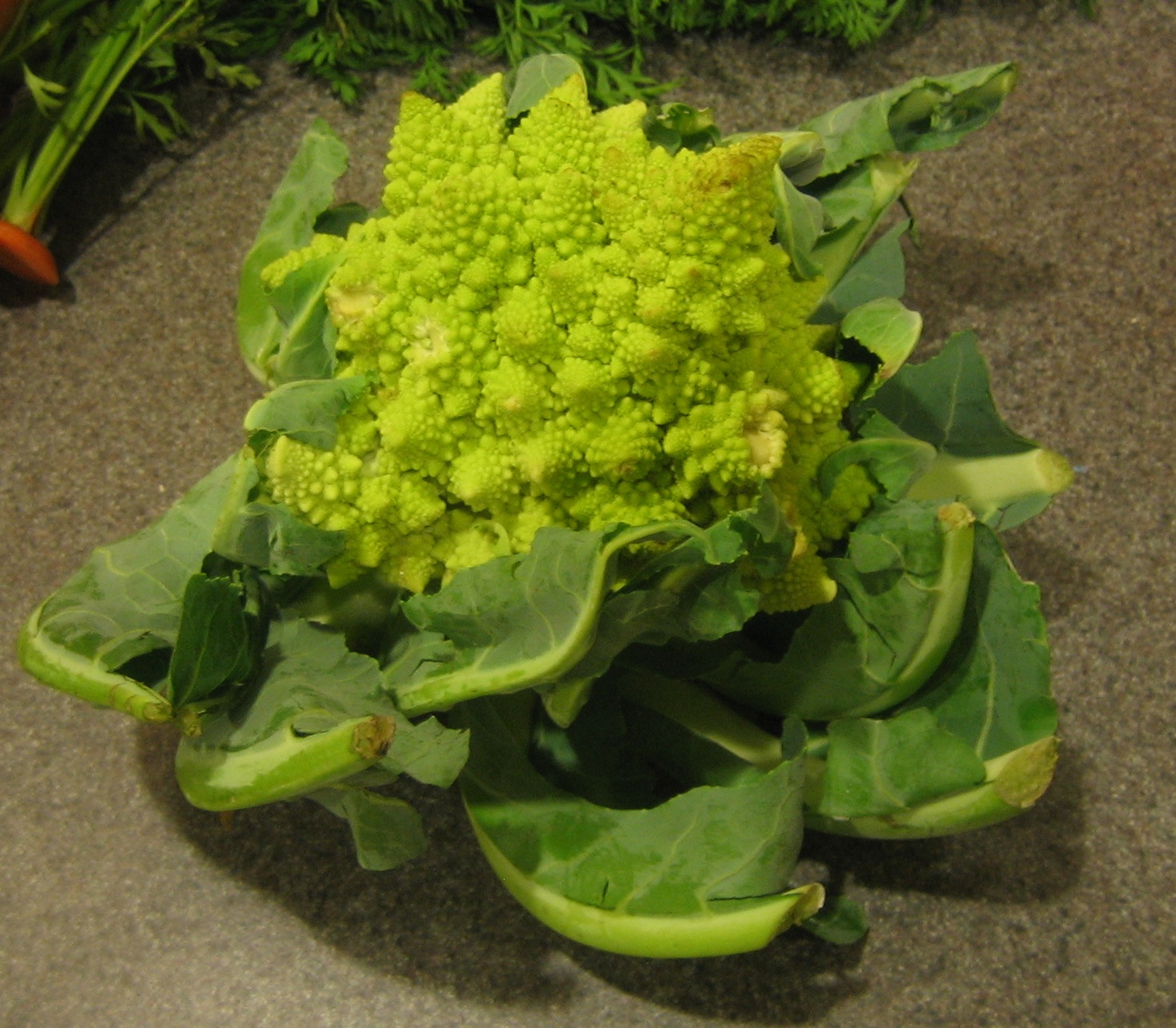
At first, the inconsistency was challenging because I was used to picking a recipe and then holding fast to my list as I trolled the supermarket aisles for that all-important asparagus that I needed for dinner. Pretty quickly, however, I realized that most vegetables can be substituted. Plus, it can be a lot more fun to grab a bunch of weird looking veggies and then come up with something to do with them. I keep staples like pasta, beans, rice, and vegetable broth in the house so I can whip up a stir-fry or vegetable-laden pasta dish or even a quick veggie-chili just by combining my produce stand finds with ingredients I have on hand. And instead of deciding in advance that we will have green beans with our pork chops, we just add “something green” to the grocery list and pick when we get to the produce stand. This free-form version of food preparation is a major departure from my old habits and has brought me into a different food culture: one that values food diversity and sustainability over uniformity.
Isn’t there a label for that?
Although we now regulate the word “organic” through the National Organic Program (NOP), its original connotation was of low (or no) input, biodynamic, small-scale farming that was grown for local, seasonal eaters. This type of farming improves the connection between farmers and consumers and gives people a better understanding of where their food comes from. Food produced in this way is less of an environmental burden and uses fewer resources. It keeps people and the environment free of pesticides and other chemicals that are used as inputs in conventional agriculture. But is the official version of organic still representative of this type of farming?
Defining a philosophy is always difficult, and often you end up with a list of regulations or defining principles that can be followed to the letter without embodying the true nature of that philosophy. The National Organic Program created just such a list to standardize the meaning of organic. While a national standard can assure consumers of what they are actually getting when they buy organic, there are many elements of the organic philosophy that are not guaranteed through the NOP. I had trouble identifying the right document on the USDA NOP website, but I did find their documentation in the Federal Register and the list of approved substances. I also found several third-party summaries that seem to be in agreement.
To carry the certified organic seal, a product must contain at least 95% organic ingredients, and the other 5% must adhere to additional regulations. Organic foods (whole or processed) must be produced without synthetic substances such as chemical fertilizers or pesticides, with some specific exceptions. It cannot include genetically modified organisms, irradiated ingredients, or come from farms that use sewage sludge as fertilizer. Farmers are also required to use practices that maintain soil quality and help prevent soil erosion, practice intercropping and perform crop rotations, and use natural fertilizers like compost or manure. If you want food that is free from pesticides and many other chemicals and isn’t genetically-modified, look for the USDA Certified Organic label, and that’s what you will find.
And now for the fine print.
What the NOP does not guarantee is that your food was produced with minimal inputs, that the farm on which it was grown is small or family-owned or mimics a natural ecosystem, or that the food was locally-grown. I’ll leave a detailed discussion of organic animal operations for another day, but organic cows for example can still be confined and fed (organic) corn although perhaps to a lesser extent since antibiotics are not allowed. The inputs on an organic farm can be purchased elsewhere, and can mimic industrial agriculture in many ways just with fewer synthetic inputs. And they can be huge.
According to a study of certified organic producers in California, in 2005, more than 75% of organic sales came from producers making more than $1M in annual organic sales [1]. In 2006, the largest 5% (by acreage) of California’s organic operations contributed 70% of the state’s organically-grown food [2]. In contrast, 45% of producers made less than $10K per year in organic sales and constituted less than 1% of the market [2]. Packaged, processed, or nationally distributed organic foods bring in additional questionable elements because the companies associated with each of these sectors have been steadily consolidated and bought up by conventional companies. The following graphic from Phil Howard’s website shows the organic brands acquired by the top 30 food producers in North America as of June 2009. Organic food distributors and retailers are also becoming increasingly consolidated (see Howard’s website for neat graphics on these other areas).

The pros of large organic growing operations, conventional distribution methods, and selling to large retail grocery and warehouse stores, are that they lead to cheaper prices and more widespread access for consumers. There is a larger market for organic food so more people can eat food that is free from pesticides and more food is produced with fewer harmful environmental effects. The cons of this type of production are that it gives producers who stick to the letter of the law more access to consumers than those who adhere to the spirit of organic farming. It means food still travels great distances and adds to the perception that food comes from the grocery store rather than the farm. Furthermore, buying organic food from a company owned by, say General Mills, means you are inadvertently supporting their conventional practices along with their organic ones. And giving conventional food companies a bigger piece of the pie may also give them more ability to lobby for less restriction on organics and allow things like GMOs to be included.
Organic or bust.
So what is an ethical eater to do? For starters, buy organic food. Big or small, corporate or family-owned, organic is safer, healthier, and better for the environment whether you buy it from Costco, Trader Joe’s, or the farm down the street. That being said, if you want to be a part of a truly sustainable farming system, find a farmers market and start asking questions. Look for a farm that reflects your own values and priorities whether they are buying local, farm worker rights, or supporting a biodynamic polyculture. You probably won’t see a certified organic seal on the produce, but producers making less than $5K per year in sales can say they are organic without being certified as long as they adhere to the NOP regulations. And despite the national definition, organic farming is a philosophy and a movement not just a word. Make sure the food you buy, whether labeled organic or not, meets with your standards for sustainability.
Sources: This post was both inspired and informed by a lecture by Christy Getz, a professor in UC Berkeley’s College of Natural Resources. The quoted statistics are from [1] Klonsky and Richter, “Statistical Review of California’s Organic Agriculture 2000-2005” and [2] from Christy Getz, determined using primary data “obtained from the Registry of Certified Organic Operations, California Department of Food and Agriculture (2006)”. Several of the figures came from the website of Phil Howard, an assistant professor in the Department of Community, Agriculture, Recreation and Resource Studies at Michigan State University. Additional discussion on the pros and cons of Big Organic can be found in chapter 9 of The Omnivore’s Dilemma, written by Michael Pollan.
Monday, October 18, 2010
Football for foodies.
I love Sundays. Why? Because of football. Maybe it’s the excitement of the game or the thrill of rooting for a team or simply because it reminds me of watching NY Giants football with my grandfather when I was a little girl. In any case, I love this game. Yesterday, my team (the Giants) won and Tony Gonzalez, a tight end for the Atlanta Falcons, caught two touchdown passes. Anyone who knows me quickly learns about my inherited love of the NY Giants, but they would probably be surprised that I keep track of Gonzalez’ stats. Tony has quickly become one of my favorite NFL players and not because he’s on my fantasy football team. Nope, it’s because Tony is an ethical eater.
During a preseason game, I happened to catch an interview with a supposedly vegan football player: Tony Gonzalez. I had never heard of him but was quickly absorbed in what he had to say! Gonzalez was quick to point out that he is not actually vegan, but he is picky about his meat sources, buying only grass-fed beef and free-range chicken. I found the interviewer very dismissive and rather rude about the whole thing, but it was enough to get me hooked. I had to find out more about this guy!
Tony Gonzalez played sports all through high school and college, excelling at both football and basketball while studying at Cal, and was selected by the Kansas City Chiefs in the 1997 NFL draft. He never paid much attention to his diet or to the advice of the team’s nutritionist, Mitzi Dulan. However, after two major health scares, Gonzalez began to worry about life after football and the long-term damage he might be doing to his body by neglecting his nutritional needs. In an interesting twist of fate, it was during this time that Tony learned of The China Study by T. Colin Campbell, a controversial book about a research study supposedly linking meat consumption to poor health. Although the methodology used to draw conclusions in the study and book has been the focus of much criticism and debate, it really spurred Gonzalez to learn more about food, nutrition, and health. He finally approached Mitzi, the Chief’s nutritionist, and asked for some help. I couldn’t help but smile when I learned her advice: read The Omnivore’s Dilemma and In Defense of Food, both books by Michael Pollan. After learning about our food system, Tony committed to an ethical food lifestyle and worked with Mitzi to create a diet that would keep him healthy and fit. After adopting his new diet, Tony’s health improved and so did his on-field performance. He led the NFL in most career receptions and most receiving yards for a tight end and went to his 9th consecutive Pro Bowl.
The diet is laid out in Tony and Mitzi’s new book, The All Pro Diet. In it, he explains why it is so important to eat whole, unprocessed foods, avoid sugary drinks and snacks, buy organic fresh fruits and vegetables, and only eat meat from animals raised humanely without antibiotics and hormones. In the book, Tony talks about checking out farms with Mitzi and taking his family shopping at farmers markets. It even includes recipes! Although I knew a lot of the background presented in the book, I still got a kick out of reading about ethical eating and the merits of organic food from a football player. He doesn’t exactly fit into the yuppie stereotype often associated with people who consider these issues when determining what to eat. I think it is further evidence of the universal importance of eating well, for yourself and the planet.
The All Pro Diet is available on Amazon. It's an easy and worthwhile read, and would probably be a great gift for someone who is just learning about our food system and looking for practical advice and inspiration. For more on nutrition and health, you may want to check out Mitzi's food blog.
Sources:
The All Pro Diet
Tony Gonzalez' profile on ESPN.com
Wikipedia: Tony Gonzalez (and references therein)
Stats from Pro-Football-Reference
During a preseason game, I happened to catch an interview with a supposedly vegan football player: Tony Gonzalez. I had never heard of him but was quickly absorbed in what he had to say! Gonzalez was quick to point out that he is not actually vegan, but he is picky about his meat sources, buying only grass-fed beef and free-range chicken. I found the interviewer very dismissive and rather rude about the whole thing, but it was enough to get me hooked. I had to find out more about this guy!
Tony Gonzalez played sports all through high school and college, excelling at both football and basketball while studying at Cal, and was selected by the Kansas City Chiefs in the 1997 NFL draft. He never paid much attention to his diet or to the advice of the team’s nutritionist, Mitzi Dulan. However, after two major health scares, Gonzalez began to worry about life after football and the long-term damage he might be doing to his body by neglecting his nutritional needs. In an interesting twist of fate, it was during this time that Tony learned of The China Study by T. Colin Campbell, a controversial book about a research study supposedly linking meat consumption to poor health. Although the methodology used to draw conclusions in the study and book has been the focus of much criticism and debate, it really spurred Gonzalez to learn more about food, nutrition, and health. He finally approached Mitzi, the Chief’s nutritionist, and asked for some help. I couldn’t help but smile when I learned her advice: read The Omnivore’s Dilemma and In Defense of Food, both books by Michael Pollan. After learning about our food system, Tony committed to an ethical food lifestyle and worked with Mitzi to create a diet that would keep him healthy and fit. After adopting his new diet, Tony’s health improved and so did his on-field performance. He led the NFL in most career receptions and most receiving yards for a tight end and went to his 9th consecutive Pro Bowl.
The diet is laid out in Tony and Mitzi’s new book, The All Pro Diet. In it, he explains why it is so important to eat whole, unprocessed foods, avoid sugary drinks and snacks, buy organic fresh fruits and vegetables, and only eat meat from animals raised humanely without antibiotics and hormones. In the book, Tony talks about checking out farms with Mitzi and taking his family shopping at farmers markets. It even includes recipes! Although I knew a lot of the background presented in the book, I still got a kick out of reading about ethical eating and the merits of organic food from a football player. He doesn’t exactly fit into the yuppie stereotype often associated with people who consider these issues when determining what to eat. I think it is further evidence of the universal importance of eating well, for yourself and the planet.
The All Pro Diet is available on Amazon. It's an easy and worthwhile read, and would probably be a great gift for someone who is just learning about our food system and looking for practical advice and inspiration. For more on nutrition and health, you may want to check out Mitzi's food blog.
Sources:
The All Pro Diet
Tony Gonzalez' profile on ESPN.com
Wikipedia: Tony Gonzalez (and references therein)
Stats from Pro-Football-Reference
Sunday, September 26, 2010
We are what we eat.
The book, Hungry Planet: What the World Eats, describes different food lifestyles and expenditures of families all over the world along with terrific photos of the families with all of the food they eat in a week. You can check it out on Google Books or just look at the photos (with credits). I thought this was a really intriguing idea so this week, after finishing up our grocery shopping, my husband took a picture of me with all the food we bought for the week. We expect this food to provide us with two servings each of seven breakfasts, five (or six) lunches, and six dinners. On the dinner menu for this week is Garden salad and homemade baked beans with wild boar bacon and a side of fresh-baked corn bread (Sun/Mon), Baked salmon with green beans and baked sweet potato (Wed/Thurs), and Portabella mushroom sliders with grilled corn on the cob (Fri/Sat).

How much for how much?
For all the food you see in the picture, we spent $82.97 total. Organic food grown within four miles of our house cost us $8.97 (front row, right); food from our garden we counted as zero cost. The rest of our organic products cost $39.51 (front row, left), and we spent $39.55 on non-organic foods including our wild boar bacon and wild-caught salmon (back row). The U.S. Census Bureau reports estimates of the amount spent weekly by a family of two, aged 19 – 50, for four different diet plans determined by income. The diets, called thrifty, low-cost, moderate-cost, and liberal, are determined by the USDA based on a combination of the types of foods that people in different income ranges report eating and federal guidelines for a nutritious diet. The U.S. Census reported that, in December 2008, the “Weekly Food Cost of a Nutritious Diet” for the thrifty diet was $83 whereas the low-cost plan was $105.60. For August 2010, the most recent report available from the USDA, the “Cost of food at home” for the thrifty diet was $80 and low-cost was $101.90. That means our food expenditure, despite including many organic products, is right around the thrifty estimate. That makes it seem like our diet would be considered affordable to the people for whom the USDA designed the thrifty plan. However, buying organic is usually considered a luxury that low-income families simply cannot afford. Perhaps the thrifty diet calculations are off, or maybe the people reporting what they eat make very different choices that turn out to be about as expensive as ours. Or maybe it's an issue of access?
How typical is this number?
This week, we ate a little less meat than normal. The meat products we will eat in upcoming weeks are more expensive by $4 - $18. That would put us in between the thrifty and low-cost plans. We also did not include foods we already had in our house, such as olive oil, even if we plan use them in meals this week. We assume the cost will balance out since we also don’t expect to finish every product we purchased by the end of this week. Coffee is the only product we purchased for which we adjusted the price; we generally drink a canister of coffee in two weeks, so the cost was cut in half.
The Census and USDA numbers are calculated with the assumption that all food consumed during the week is eaten at home. For us, this is true for all but one dinner and one or two lunches. Thus, while our total food expenditure for the week will be a little higher than our grocery purchases for this week, it’s still a valid comparison given that most people don’t eat all their food at home either.
What this picture says to me.
My husband and I have changed our diets a lot over the last five years, and it is quite evident in this photo! People used to refer to me as the girl with the Dr. Pepper because I was seemingly never without a can or bottle of the stuff. I haven’t regularly consumed soda in over a year now so you won’t find any of it in this picture! I also see a lot more fresh fruits and vegetables than I would have a few years back, and all of it is organically grown and pesticide-free. Our animal product purchases have greatly decreased. I’m lactose-intolerant so no cheese, butter, or milk makes it into our house. We only buy eggs from ethical farms and are currently out. And of course, we only use a small amount of meat, none of it conventional! Along with our dietary changes, there have been significant physical changes. Since adopting a diet low in animal products and processed foods but high in whole, fresh fruits and vegetables, I have run a half-marathon, completed a sprint triathlon, and dropped two dress sizes. I would say the sacrifice is worthwhile, but I don’t actually feel like I’ve sacrificed anything. I enjoy my food more now and really love my active, healthy life.
How do you compare?
I would be very curious to see how my family’s expenditures really measure up. That’s where you come in. Just like the book, I’d like to put together a collection of photos of people with a week’s worth of their groceries and the cost of that food. I’m curious to see what types of food choices lead to lower food costs. Given restrictions on photo uploading within comments, I’ll ask anyone interested in participating to please upload their photo and cost estimate to my companion page on Facebook (use the FB widget in the sidebar to access it or search for An Omnivore’s Decision from within Facebook). You will have to “like” the page to contribute, but then you will also get to see all of the shorter tidbits I post there and connect with other people interested in these issues. If you have trouble accessing or posting to the FB page (or if you’d rather send me your info via email), please leave me a comment.

How much for how much?
For all the food you see in the picture, we spent $82.97 total. Organic food grown within four miles of our house cost us $8.97 (front row, right); food from our garden we counted as zero cost. The rest of our organic products cost $39.51 (front row, left), and we spent $39.55 on non-organic foods including our wild boar bacon and wild-caught salmon (back row). The U.S. Census Bureau reports estimates of the amount spent weekly by a family of two, aged 19 – 50, for four different diet plans determined by income. The diets, called thrifty, low-cost, moderate-cost, and liberal, are determined by the USDA based on a combination of the types of foods that people in different income ranges report eating and federal guidelines for a nutritious diet. The U.S. Census reported that, in December 2008, the “Weekly Food Cost of a Nutritious Diet” for the thrifty diet was $83 whereas the low-cost plan was $105.60. For August 2010, the most recent report available from the USDA, the “Cost of food at home” for the thrifty diet was $80 and low-cost was $101.90. That means our food expenditure, despite including many organic products, is right around the thrifty estimate. That makes it seem like our diet would be considered affordable to the people for whom the USDA designed the thrifty plan. However, buying organic is usually considered a luxury that low-income families simply cannot afford. Perhaps the thrifty diet calculations are off, or maybe the people reporting what they eat make very different choices that turn out to be about as expensive as ours. Or maybe it's an issue of access?
How typical is this number?
This week, we ate a little less meat than normal. The meat products we will eat in upcoming weeks are more expensive by $4 - $18. That would put us in between the thrifty and low-cost plans. We also did not include foods we already had in our house, such as olive oil, even if we plan use them in meals this week. We assume the cost will balance out since we also don’t expect to finish every product we purchased by the end of this week. Coffee is the only product we purchased for which we adjusted the price; we generally drink a canister of coffee in two weeks, so the cost was cut in half.
The Census and USDA numbers are calculated with the assumption that all food consumed during the week is eaten at home. For us, this is true for all but one dinner and one or two lunches. Thus, while our total food expenditure for the week will be a little higher than our grocery purchases for this week, it’s still a valid comparison given that most people don’t eat all their food at home either.
What this picture says to me.
My husband and I have changed our diets a lot over the last five years, and it is quite evident in this photo! People used to refer to me as the girl with the Dr. Pepper because I was seemingly never without a can or bottle of the stuff. I haven’t regularly consumed soda in over a year now so you won’t find any of it in this picture! I also see a lot more fresh fruits and vegetables than I would have a few years back, and all of it is organically grown and pesticide-free. Our animal product purchases have greatly decreased. I’m lactose-intolerant so no cheese, butter, or milk makes it into our house. We only buy eggs from ethical farms and are currently out. And of course, we only use a small amount of meat, none of it conventional! Along with our dietary changes, there have been significant physical changes. Since adopting a diet low in animal products and processed foods but high in whole, fresh fruits and vegetables, I have run a half-marathon, completed a sprint triathlon, and dropped two dress sizes. I would say the sacrifice is worthwhile, but I don’t actually feel like I’ve sacrificed anything. I enjoy my food more now and really love my active, healthy life.
How do you compare?
I would be very curious to see how my family’s expenditures really measure up. That’s where you come in. Just like the book, I’d like to put together a collection of photos of people with a week’s worth of their groceries and the cost of that food. I’m curious to see what types of food choices lead to lower food costs. Given restrictions on photo uploading within comments, I’ll ask anyone interested in participating to please upload their photo and cost estimate to my companion page on Facebook (use the FB widget in the sidebar to access it or search for An Omnivore’s Decision from within Facebook). You will have to “like” the page to contribute, but then you will also get to see all of the shorter tidbits I post there and connect with other people interested in these issues. If you have trouble accessing or posting to the FB page (or if you’d rather send me your info via email), please leave me a comment.
Sunday, September 19, 2010
The Baron of Meat.
Each morning, I grab a steaming cup of coffee and sit down before my laptop to check email. Ah innovation… Oh wait, it’s mostly junk. I probably receive about a dozen emails from various online retailers whose little “send me offers” checkbox I mysteriously forgot to deselect, multiple reminders about the weekly department seminar, and so on. I generally follow the practice of massive check and delete without even reading them. However, one morning I noticed an email from a retailer I was surprised to hear from: David Samiljan, the owner of Baron’s Meats and Poultry in Alameda, CA. Baron’s is a small butcher shop that carries a wide variety of foods mainly from smaller, more sustainable farms (some of which are even local). Along with providing better options for ethical eaters, Baron’s provides an invaluable resource, Dave himself.
Knowing that his customers value more ethical choices, Dave doesn’t just stop at cuts of meat and wine pairings; he also knows how the farms from which he sources his goods operate. And if he doesn’t know the answer to a customer’s question, he’ll “make a call and find out the answer”. When I visited Baron’s a few weeks ago in search of ethical meat with better store hours than the farmers market, Dave spent about 20 minutes talking to me, explaining the different practices of each farm, and answering my questions about general sustainable practices. If the polyculture eco-minded Marin Sun Farms is on one end of the spectrum, and on the other is the massive monoculture Harris Ranch (drive south on I5 – when you hit the stench of cow manure, look east and check out the seemingly unending fencerows filled with cows laying in muck), where did these other farms fall? While Baron’s does carry some Marin Sun Farms products, most of the farms, Dave explained, fall about in the middle of the spectrum. They are much less diversified than Marin Sun, and many do send their cows to small feedlots where their diets are supplemented with grain. However, the amount of time spent on the feedlot eating grain is generally a much smaller fraction of the animal’s lives than in most conventional operations. Also, for the meat to be called organic, the animals must not be given antibiotics, so those feedlots have to be small to avoid illness taking out the entire group. Dave also confirmed my suspicions about Niman Ranch: that although it used to be an icon in animal welfare and sustainability, it is now a bit closer to the Harris Ranch side of the spectrum than the other farms from which he sources meat and poultry. Dave should know – he worked for Niman Ranch before opening Baron’s. After our chat, I decided to buy meat from Marin Sun Farms (of course), and Eel River (offering 100% grass-fed, organic, and pasture-raised beef). Dave also recommended Five Dot Ranch as a good, sustainable option. Since it would be impractical for me to visit every farm from which I purchase animal products, having a trustworthy and knowledgeable butcher gives me piece of mind that I am making responsible and ethical choices. It also gives me the opportunity to provide feedback that might actually matter. In fact, it is this type of unusual communication that struck me about Dave’s email, or more specifically, the Baron’s Meat and Poultry Newsletter.
The first thing mentioned in the email newsletter was their selection of antibiotic, hormone, and nitrate-free lunchmeat. And then a question… Are there any lunchmeats that we, the customers, would like to see Baron’s add to their stock? The email went on to ask about interest in grass-fed beef as well. Having a vendor ask what type of meat I would prefer to eat was certainly a first for me! In a subsequent newsletter, Dave shared the excellent news that he will be bringing in more grass-fed beef and pointed out that it will only be free range, pastured, green-grass-fed beef. Merely being called grass-fed, which could mean a diet of hay and alfalfa fed to cows confined in a closed shed, will not be good enough for Dave and wouldn’t be for me either! Finally, the email mentioned a unique opportunity to pick up some sustainably-raised lamb that was coming in soon from an organic walnut orchard where sheep have replaced tractors and their manure has replaced fertilizer. The farmer had only three lambs to sell, which is enough to feed many people but not enough to appeal to a large grocery store, which highlights yet another perk of working with a small, independent butcher.
The lessons of my experience with Baron’s Meat and Poultry are two-fold. First, having a butcher who is knowledgeable about sustainability and ethical farming practices takes a lot of the stress and hassle out of purchasing animal products. Seeking out someone like Dave and a place like Baron’s will save you a ton of time and effort in the long run, and may allow you access to a wider variety of foods as well. The second lesson is the power of communication when it comes to improving your access to ethical foods. Marin Sun Farms, Baron’s Meat and Poultry, and many other smaller eco-minded farms and businesses now maintain pages on Facebook and Twitter. By following these pages, you have the opportunity to show your support, offer feedback, and get information about unique offers and special events. It’s an easy way to be a part of the food solution.
Knowing that his customers value more ethical choices, Dave doesn’t just stop at cuts of meat and wine pairings; he also knows how the farms from which he sources his goods operate. And if he doesn’t know the answer to a customer’s question, he’ll “make a call and find out the answer”. When I visited Baron’s a few weeks ago in search of ethical meat with better store hours than the farmers market, Dave spent about 20 minutes talking to me, explaining the different practices of each farm, and answering my questions about general sustainable practices. If the polyculture eco-minded Marin Sun Farms is on one end of the spectrum, and on the other is the massive monoculture Harris Ranch (drive south on I5 – when you hit the stench of cow manure, look east and check out the seemingly unending fencerows filled with cows laying in muck), where did these other farms fall? While Baron’s does carry some Marin Sun Farms products, most of the farms, Dave explained, fall about in the middle of the spectrum. They are much less diversified than Marin Sun, and many do send their cows to small feedlots where their diets are supplemented with grain. However, the amount of time spent on the feedlot eating grain is generally a much smaller fraction of the animal’s lives than in most conventional operations. Also, for the meat to be called organic, the animals must not be given antibiotics, so those feedlots have to be small to avoid illness taking out the entire group. Dave also confirmed my suspicions about Niman Ranch: that although it used to be an icon in animal welfare and sustainability, it is now a bit closer to the Harris Ranch side of the spectrum than the other farms from which he sources meat and poultry. Dave should know – he worked for Niman Ranch before opening Baron’s. After our chat, I decided to buy meat from Marin Sun Farms (of course), and Eel River (offering 100% grass-fed, organic, and pasture-raised beef). Dave also recommended Five Dot Ranch as a good, sustainable option. Since it would be impractical for me to visit every farm from which I purchase animal products, having a trustworthy and knowledgeable butcher gives me piece of mind that I am making responsible and ethical choices. It also gives me the opportunity to provide feedback that might actually matter. In fact, it is this type of unusual communication that struck me about Dave’s email, or more specifically, the Baron’s Meat and Poultry Newsletter.
The first thing mentioned in the email newsletter was their selection of antibiotic, hormone, and nitrate-free lunchmeat. And then a question… Are there any lunchmeats that we, the customers, would like to see Baron’s add to their stock? The email went on to ask about interest in grass-fed beef as well. Having a vendor ask what type of meat I would prefer to eat was certainly a first for me! In a subsequent newsletter, Dave shared the excellent news that he will be bringing in more grass-fed beef and pointed out that it will only be free range, pastured, green-grass-fed beef. Merely being called grass-fed, which could mean a diet of hay and alfalfa fed to cows confined in a closed shed, will not be good enough for Dave and wouldn’t be for me either! Finally, the email mentioned a unique opportunity to pick up some sustainably-raised lamb that was coming in soon from an organic walnut orchard where sheep have replaced tractors and their manure has replaced fertilizer. The farmer had only three lambs to sell, which is enough to feed many people but not enough to appeal to a large grocery store, which highlights yet another perk of working with a small, independent butcher.
The lessons of my experience with Baron’s Meat and Poultry are two-fold. First, having a butcher who is knowledgeable about sustainability and ethical farming practices takes a lot of the stress and hassle out of purchasing animal products. Seeking out someone like Dave and a place like Baron’s will save you a ton of time and effort in the long run, and may allow you access to a wider variety of foods as well. The second lesson is the power of communication when it comes to improving your access to ethical foods. Marin Sun Farms, Baron’s Meat and Poultry, and many other smaller eco-minded farms and businesses now maintain pages on Facebook and Twitter. By following these pages, you have the opportunity to show your support, offer feedback, and get information about unique offers and special events. It’s an easy way to be a part of the food solution.
Subscribe to:
Comments (Atom)